Frequently Asked
Long before it was a national park, Bandhavgarh was a fort. The name comes from two Sanskrit words: Bandhav, meaning brother, and Garh, meaning fort. Legend has it that Lord Rama gifted this hilltop stronghold to his brother Lakshman, so he could keep watch over Lanka from across the land. Legend aside, the fort standing on the hill today is real and genuinely old, with parts of it dating back more than 2,000 years, through the rule of the Sengars, the Kalchuris, and later the Baghels.
For generations, the forest around that fort belonged to no one but the Maharajas of Rewa, who kept it as their private hunting ground. Then, in 1951, everything changed: Maharaja Martand Singh of Rewa came across a white tiger cub in these very woods. He named the cub Mohan, raised him at the Rewa palace, and Mohan went on to father a line of white tigers that would eventually populate zoos and wildlife parks across the world. Nearly every white tiger alive in captivity today, wherever you find one, traces its lineage back to a cub found wandering right here in Bandhavgarh.
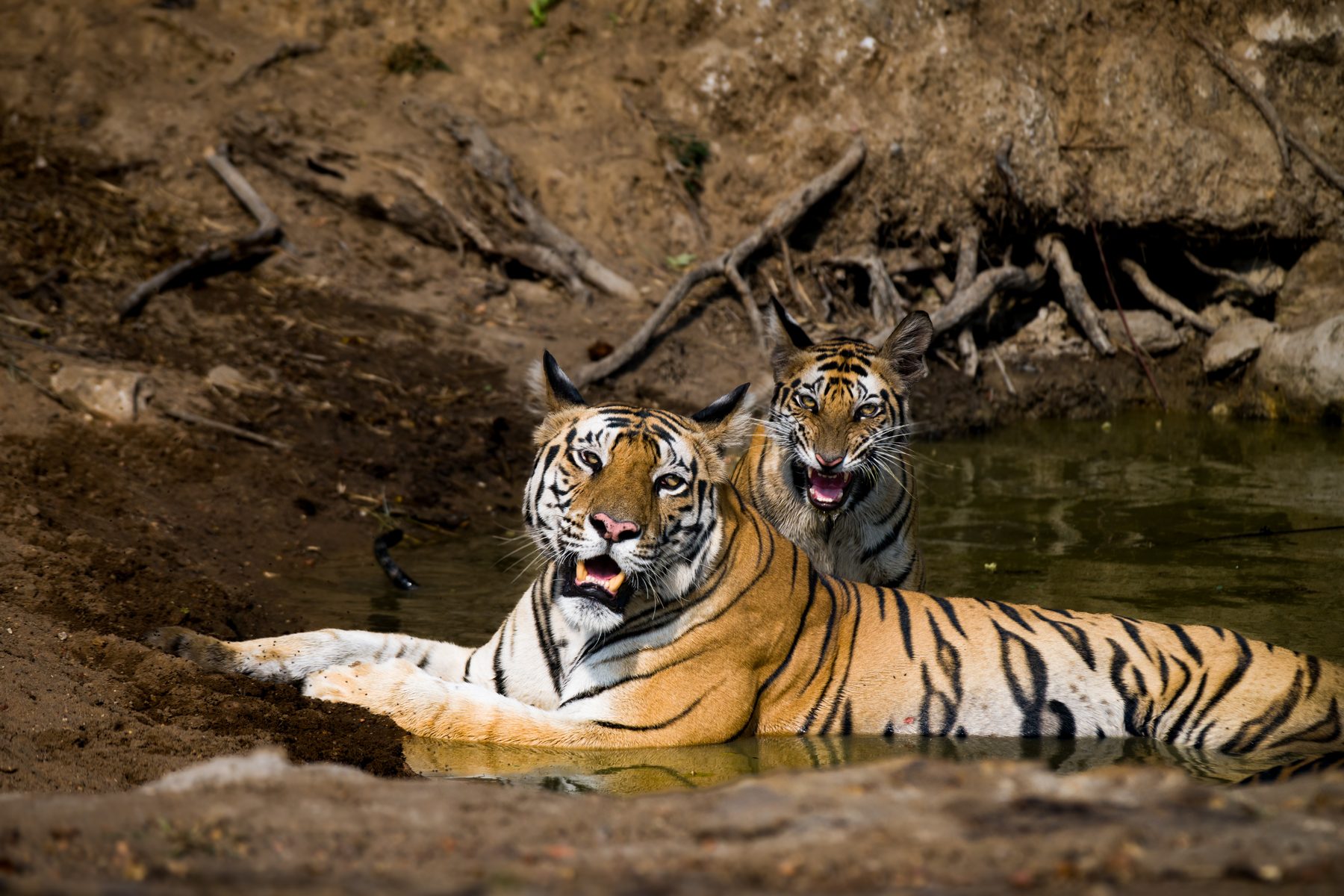
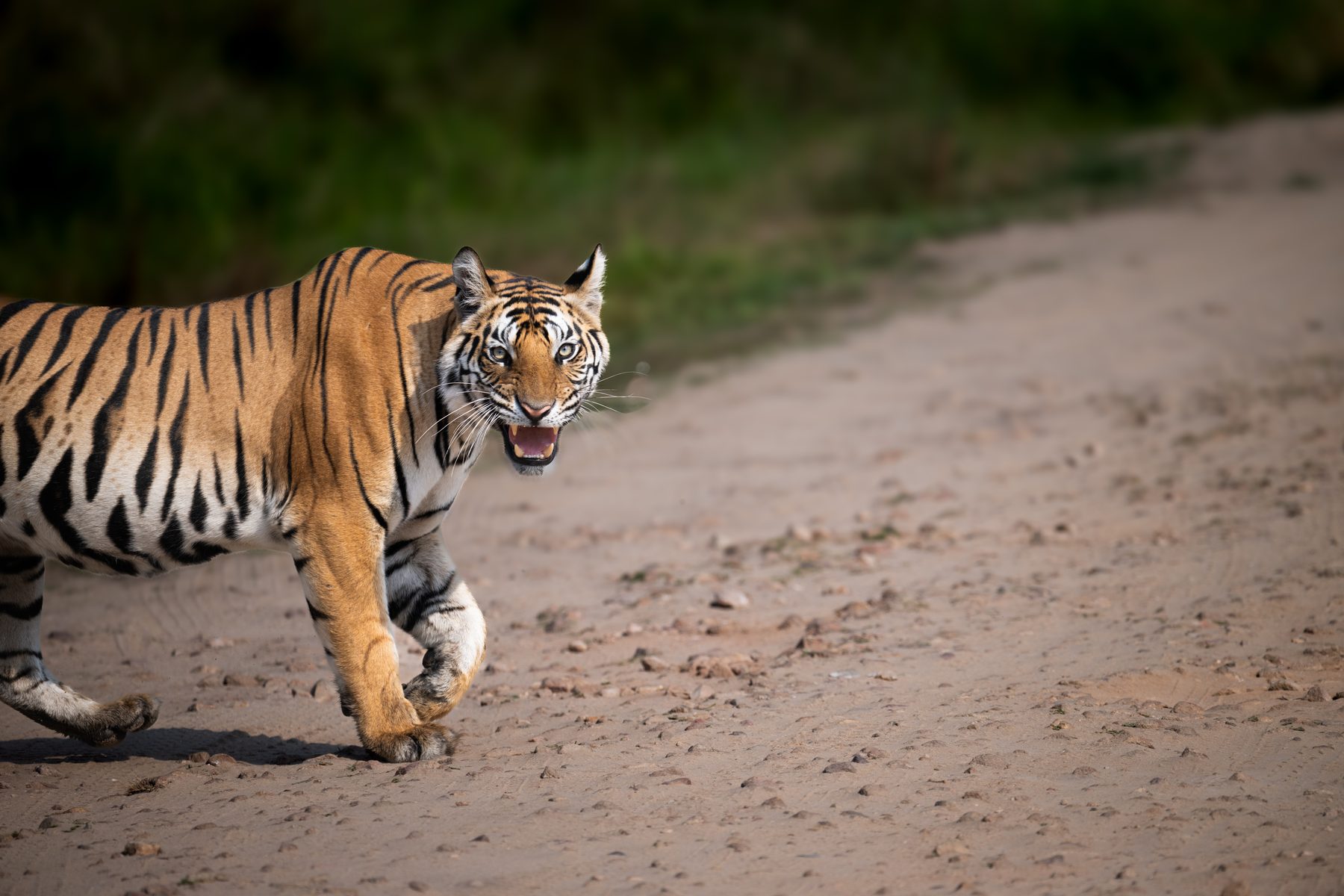
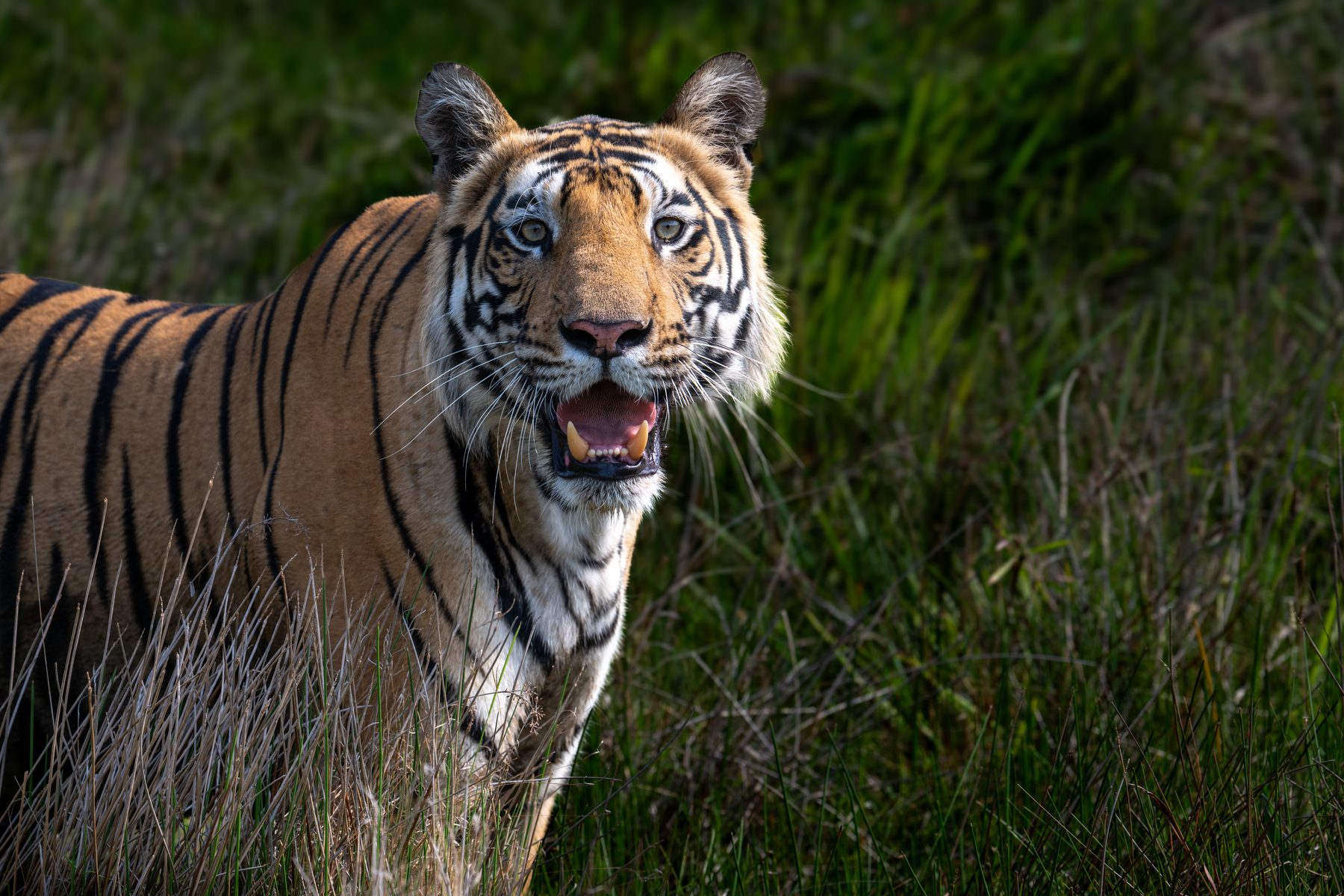
In 1968, the Maharajas gave up the land, and it was declared a national park. In 1993, it was folded into Project Tiger as a dedicated tiger reserve, and it's stayed one of India's most reliable places to see a wild tiger ever since. Walk through Tala zone today, past the ruins of the old fort still standing quietly above the trees, and you're walking through all of it at once: a gifted kingdom, a hunting ground turned sanctuary, and the birthplace of an entire bloodline of white tigers.
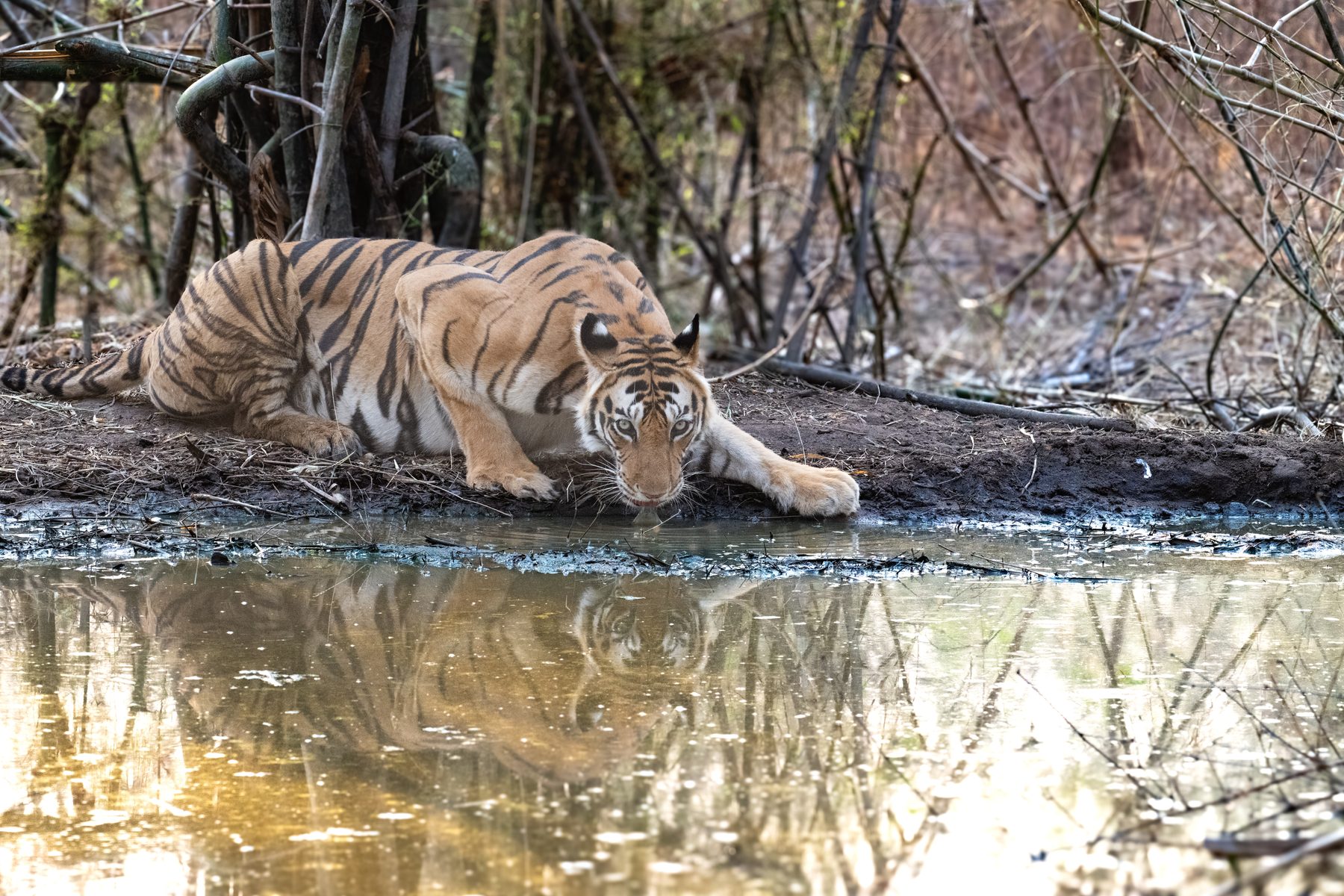
October to March for cooler, drier weather and comfortable game drives. April to June is hotter, but often better for tiger sightings since animals stay close to waterholes. The park is closed roughly July through mid-October for monsoon.
No walk-ups: every safari needs a booked permit for a specific zone, date, and time slot, via the official portal. Book well ahead in peak season; last-minute slots do open the evening before, subject to availability.
Safaris involve early starts (gates open 6-6:30am), several hours on unpaved roads in an open gypsy, and no facilities inside the park. It's manageable for most people in reasonable health, but worth planning around nap times for young children and confirming mobility comfort for elderly guests before booking a full-day double safari.
Neutral/earth-toned clothing (no bright colors or white), layers for cold early mornings even in a hot season, a hat and sunscreen for midday sun, binoculars if you have them, and a fully charged camera or phone. Most resorts provide blankets for the open gypsy in winter.
Standard rural-India precautions apply: drink bottled/filtered water, carry basic medication, and check with your doctor about malaria precautions for forested regions if you're coming from outside India. This isn't medical advice; confirm specifics with a travel clinic or physician.
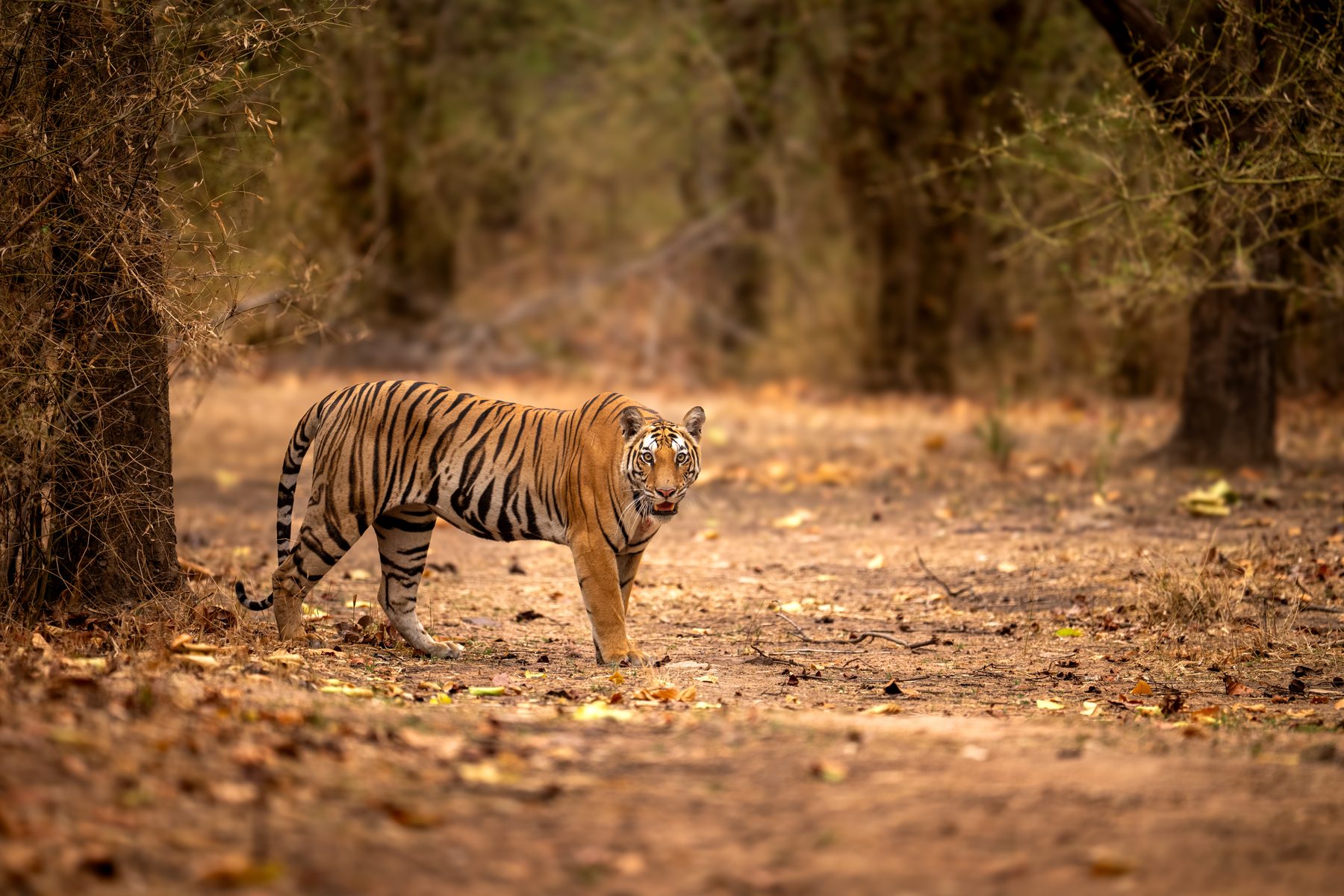
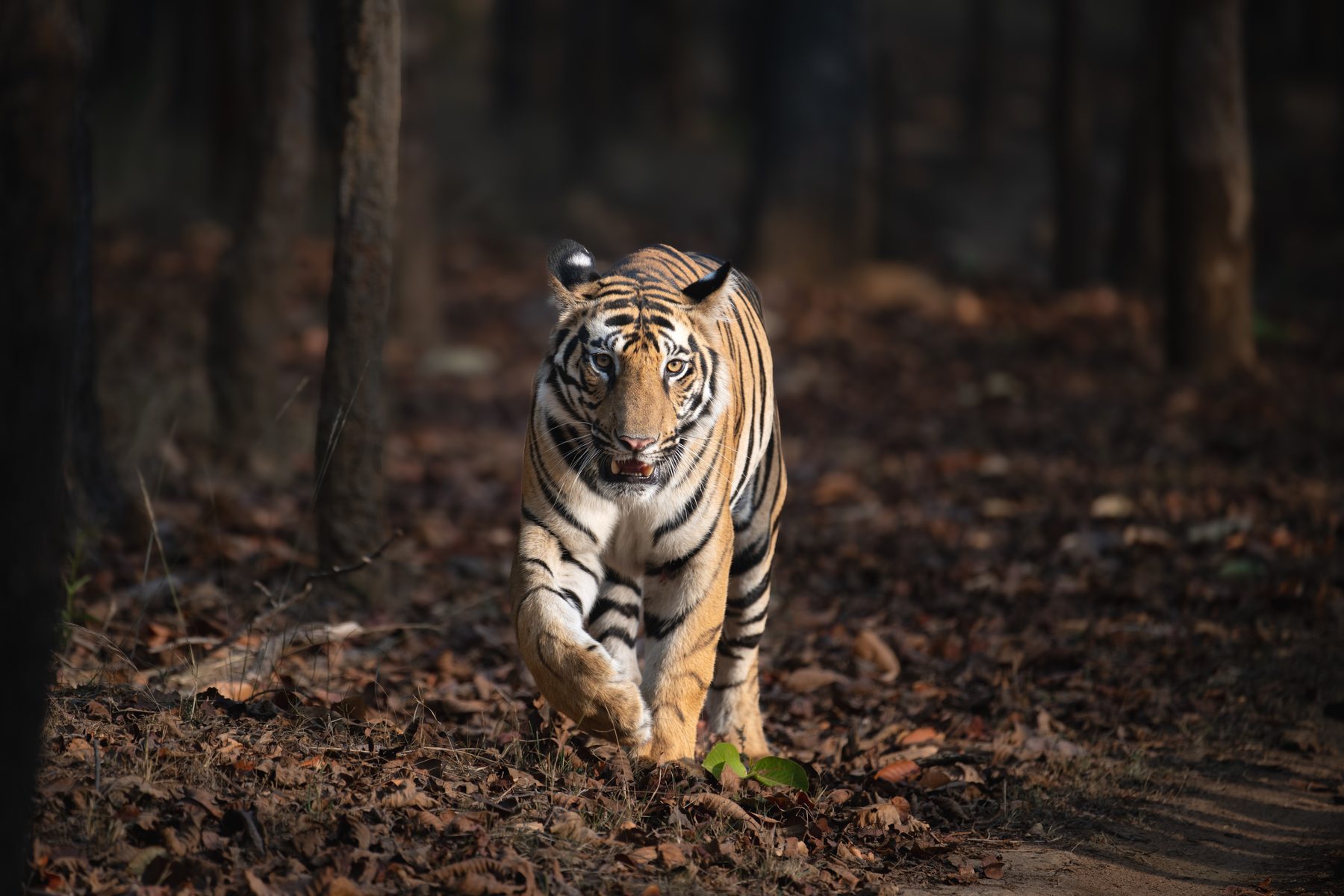
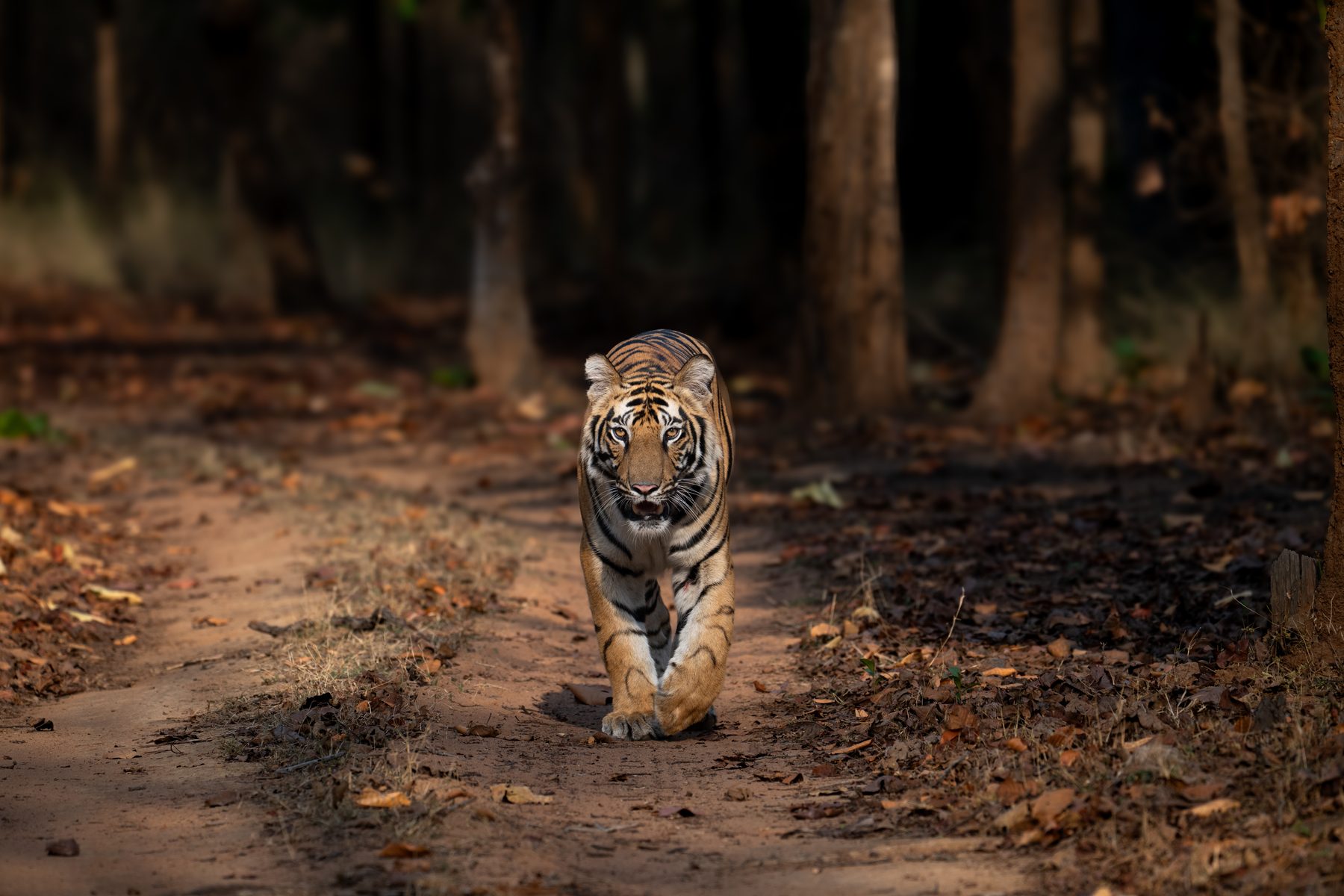
No safari can guarantee a sighting. It's a wild forest, not a zoo. Bandhavgarh has among the highest sighting odds of any Indian reserve because of its tiger density, but odds are still odds. Multiple safaris across different zones improve your chances.
Not yet, we're still building. Join the waitlist on the homepage and we'll write to you when we're ready to welcome guests.